Spaietacle: The Future of Immersive Experiences Explained
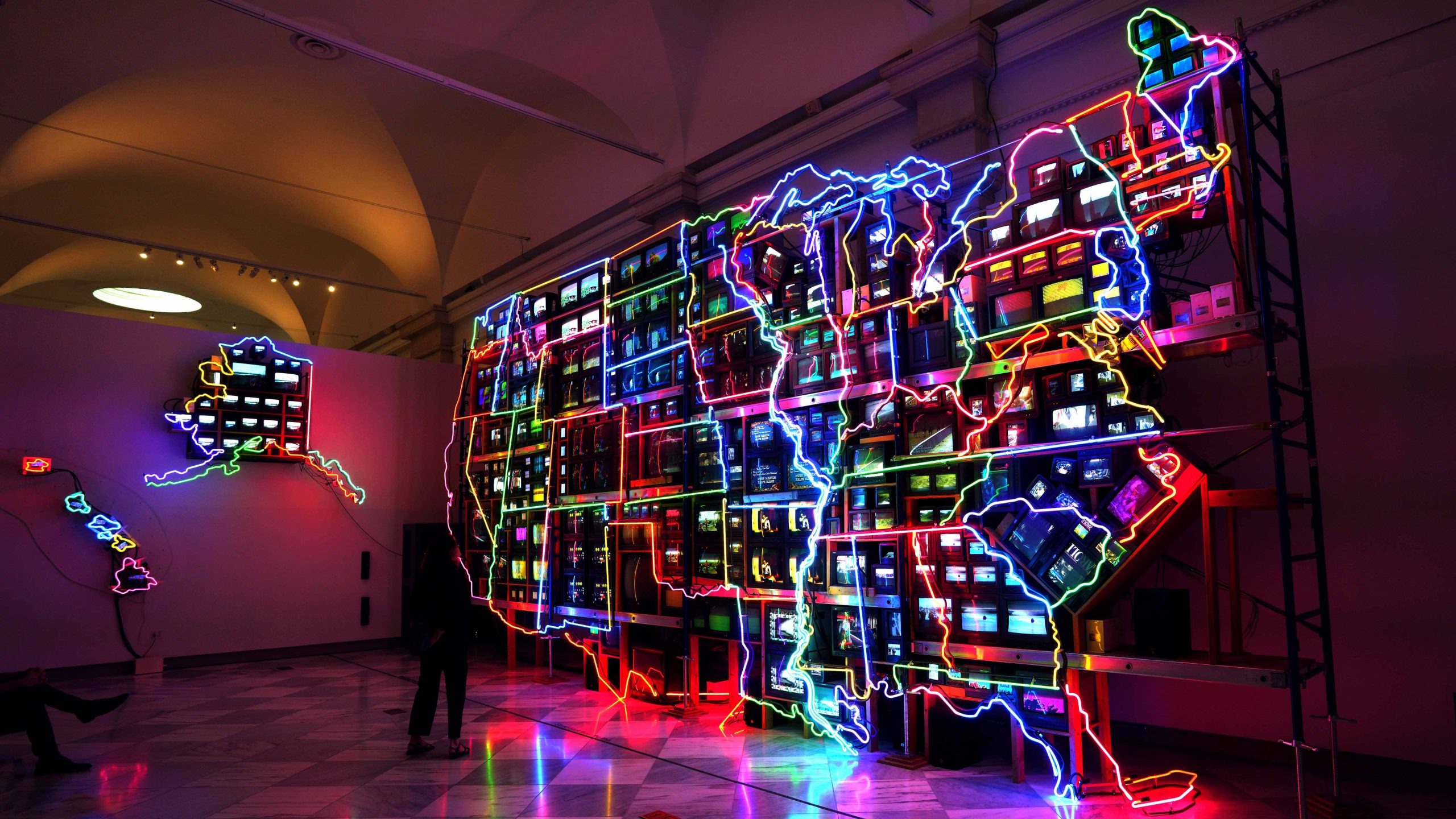
The term Spaietacle combines two words — space and spectacle. It refers to immersive environments that blend creativity, technology, and design to create a one-of-a-kind experience. Unlike traditional events or shows where audiences simply watch, a spaietacle allows them to participate, feel, and interact with the environment.
Think of it as stepping into a world where the visuals, sounds, and emotions surround you completely. Whether it’s an art installation, a themed event, or a digital experience, the goal of a spaietacle is to make people part of the story instead of just spectators.
In today’s experience-driven world, spaietacle has become a growing trend across industries — from entertainment and education to marketing and architecture. It’s about transforming spaces into living, breathing experiences that leave people amazed.
The Rise of Spaietacle in Modern Culture
From Spectator to Participant
In the past, entertainment was mostly one-sided. You’d watch a movie, attend a concert, or visit an exhibition without much interaction. But today’s audiences want more — they crave participation. Spaietacle answers this demand by breaking the boundary between performer and viewer. It makes you part of the scene, part of the moment.
Technology’s Role in Spaietacle
Technological innovations like augmented reality (AR), virtual reality (VR), 3D projection mapping, and interactive displays are the backbone of spaietacle experiences. These tools allow designers to build immersive worlds where users can touch, move, and influence what happens around them.
Emotional Connection and Lasting Impact
A successful spaietacle isn’t just about visual wow-factor. It’s about how the audience feels during and after the experience. The emotional connection it creates ensures that people remember the event long after it’s over — which is why brands and creators are investing heavily in this approach.
Core Elements of a Spaietacle
Spatial Design
The foundation of any spaietacle is its space. The layout, lighting, textures, and movement flow must work together to create a seamless environment. Every corner should tell part of the story, inviting people to explore and engage.
Sensory Integration
A spaietacle appeals to multiple senses — sight, sound, touch, and sometimes even smell. By engaging more senses, the experience feels richer and more realistic. Music, soundscapes, and lighting cues all play a huge role in drawing people deeper into the environment.
Storytelling Through Environment
At its heart, a spaietacle tells a story. Instead of reading or hearing it, visitors live it. The design of the space becomes a narrative tool — each area or visual element symbolizes a chapter in the overall story.
Interactivity and Participation
Unlike static exhibitions, spaietacles encourage movement and interaction. Touch-sensitive panels, motion sensors, or AR-based elements respond to the audience’s actions, giving them control over how they experience the story.
Applications of Spaietacle Across Industries
Entertainment and Art
Spaietacle has revolutionized entertainment. Think of immersive theaters, interactive art shows, or concerts where lights and visuals react to audience movement. These experiences keep people engaged from start to finish and make events unforgettable.
Education
Schools and museums are adopting spaietacle-style setups to make learning fun and memorable. Imagine a history class where students walk through a 3D recreation of ancient Egypt or a science exhibit where planets orbit around you. This kind of interactive learning keeps students excited and curious.
Marketing and Brand Experiences
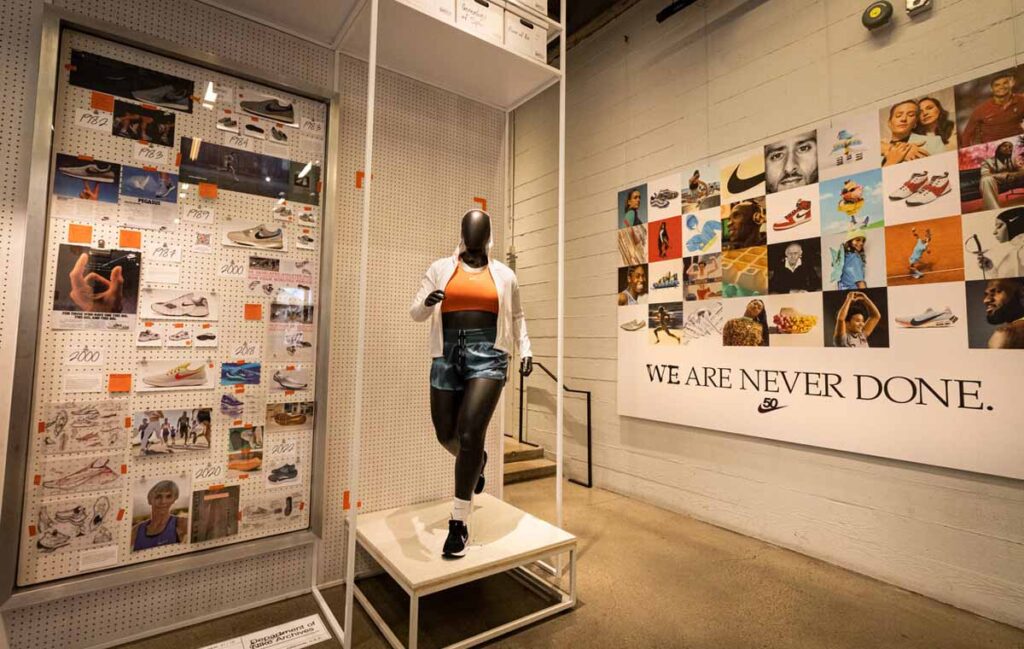
Brands are using spaietacle-driven designs to make product launches and campaigns more impactful. Instead of static booths or posters, companies create immersive environments that tell their brand story. When people can walk through your brand experience, they connect with it emotionally — which drives loyalty and awareness.
Retail and Architecture
In retail, stores are transforming into experiential hubs. Customers can interact with digital mirrors, virtual fitting rooms, and smart lighting that changes based on mood. Architects also use spaietacle principles to design buildings that communicate emotions — not just functionality.
Why Spaietacle Matters Today
Attention Economy
In a world full of distractions, grabbing attention is harder than ever. A spaietacle captures people’s focus instantly because it surrounds them with stimulation and emotion. This makes it a powerful tool for education, marketing, and art.
Creating Community and Connection
Spaietacles often bring people together. When visitors share an experience — like exploring an interactive art space — they connect not just with the environment but with each other. That shared emotion creates community and conversation long after the event ends.
The Power of Memory
Traditional advertisements or lectures are easy to forget, but immersive experiences stick. Because a spaietacle engages multiple senses and emotions, it stays in people’s memories for years. This is why experiential marketing and interactive learning are rapidly expanding fields.
How to Create a Spaietacle
Step 1: Define the Story
Every spaietacle starts with a narrative. Decide what emotion or message you want to convey. Whether it’s joy, curiosity, nostalgia, or innovation, your design should align with that feeling.
Step 2: Choose the Right Space
Location plays a huge role. Open spaces allow for exploration, while smaller ones create intimacy. Lighting, acoustics, and even the smell of the place can shape how people feel.
Step 3: Blend Art and Technology
The magic of spaietacle lies in merging creativity with innovation. Combine visuals, projections, sound systems, and interactive tools like AR or motion sensors to design something that responds to people in real time.
Step 4: Engage All the Senses
Think beyond visuals. Add textured surfaces, ambient sounds, or even fragrances to enrich the sensory experience. The more senses you engage, the more powerful the impact.
Step 5: Test and Refine
Before launch, run pilot sessions. Observe how visitors interact with the environment. Small adjustments — like adjusting lighting or sound timing — can greatly improve immersion.
The Future of Spaietacle
Integration With AI
Artificial Intelligence will make future spaietacles smarter. AI can analyze visitor behavior and adjust experiences automatically, creating personalized environments that adapt in real time.
Expansion Into Virtual Spaces
As the metaverse grows, digital spaietacles will become more common. People will attend concerts, exhibitions, and educational events inside virtual worlds designed with the same immersive principles.
Sustainable Design
Future spaietacles will also focus on sustainability. Designers are finding eco-friendly materials and energy-efficient technologies to make immersive experiences both beautiful and responsible.
Common Mistakes to Avoid
Overusing Technology
Technology is powerful, but it should serve the story, not replace it. Too many flashing lights or complex gadgets can distract from the experience instead of enhancing it.
Ignoring Accessibility
Make sure everyone can participate. Consider people with disabilities by including ramps, captions, and sensory-friendly options. A great spaietacle should be inclusive for all visitors.
Poor Flow Design
Crowding or confusing layouts can break immersion. Plan the space carefully so visitors can move freely and understand where to go next.
Real-World Examples of Spaietacle Experiences
TeamLab Borderless (Tokyo)
A world-famous digital art museum where rooms respond to visitors’ movements through light, color, and sound. Each step triggers a new reaction, making it a perfect example of a spaietacle.
ARTECHOUSE (Washington D.C.)
An immersive art space blending technology and creativity. Projections, motion sensors, and digital effects make visitors part of the art.
Van Gogh: The Immersive Experience
This global touring exhibition turns Van Gogh’s paintings into a 360° environment where you can literally walk through his brushstrokes.
Why You Should Care About Spaietacle
Spaietacle isn’t just a buzzword — it’s the future of engagement. Whether you’re an artist, educator, marketer, or entrepreneur, learning to design immersive spaces will set you apart. People no longer want to watch; they want to feel.
By mastering the principles of spaietacle, you can transform ordinary spaces into extraordinary experiences. It’s about creating moments that move people emotionally, inspire creativity, and make memories that last.